

It doesn’t matter whether you’re a fan of draft formats in Magic: The Gathering or have never drafted before; each new set brings with it a fresh set of archetypes to look out for when drafting your deck. We’ve got a bunch of new mechanics to look out for, and you’ll need to decide which Strixhaven College you align with best before you head into a draft.
We’ll run through the five top archetypes to look out for throughout prerelease and when playing in sealed draft formats to give you the best chance at success.
Repartee Aggro
Silverquill
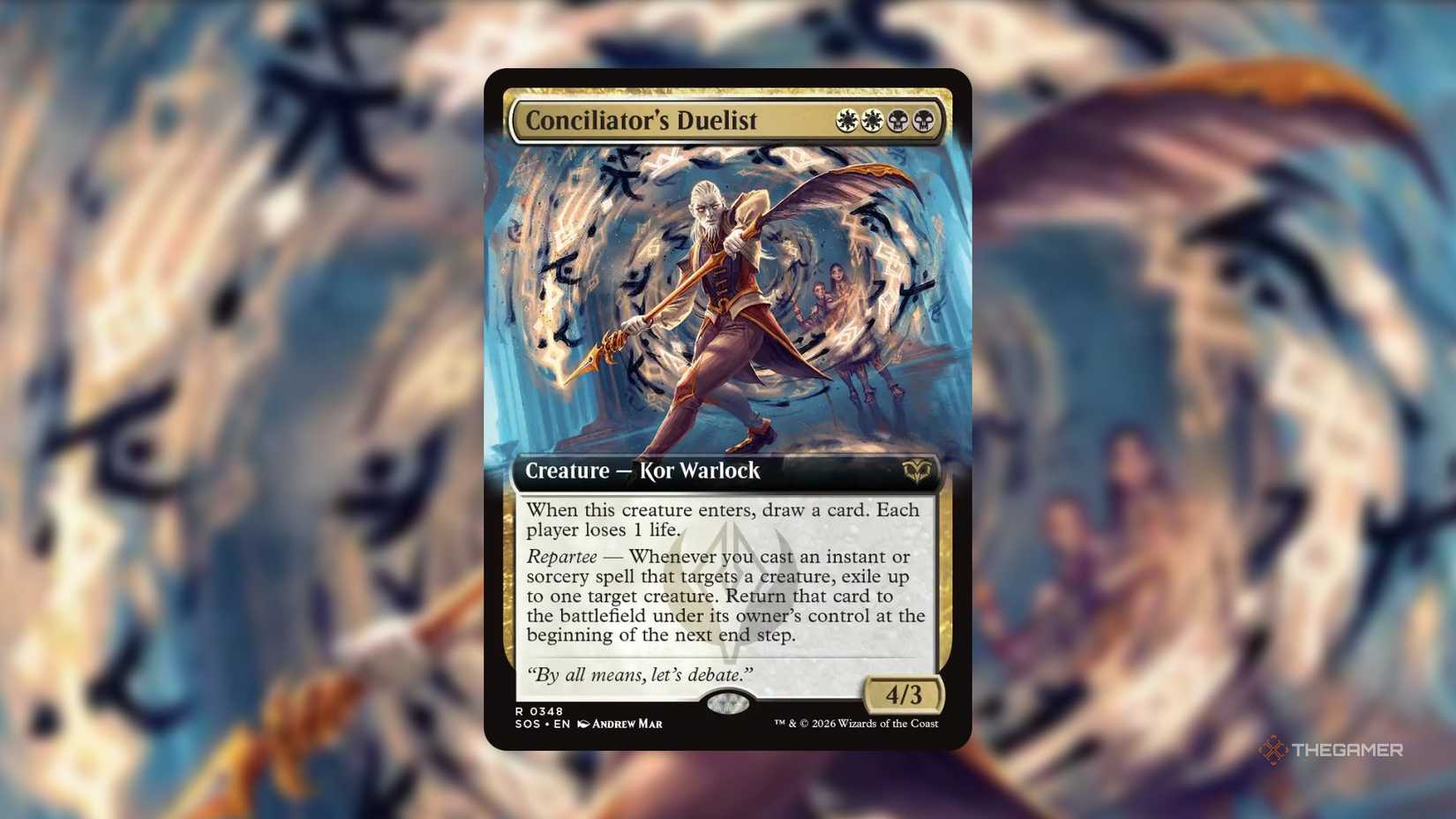
Repartee is the Silverquill-exclusive mechanic arriving in Secrets of Strixhaven, and it triggers whenever you cast an instant or sorcery spell targeting a creature.
What exactly happens at the moment of triggering Repartee depends on the card, as each activation is different.
For this archetype, you’re going to focus on white and black creatures, ideally ones that feature Repartee as a keyword, but failing that, you want to opt for low-cost and high-impact alternatives to lean into the aggro build.
Given that Repartee requires an instant or sorcery spell to trigger, you’ll want to pick some of these up as well. Cards like Dig Site Inventory, Ajani’s Response, Rapier Wit, or Masterful Flourish would all work great as they have a low mana cost and target a creature.
If you have a particularly strong draft, you can explore the idea of only taking 15 or 16 lands as opposed to the typical 17. Granted, the stars need to align for this to be the case, as you’ll need a well-drafted deck that has a super low curve, but it is possible.

Magic: The Gathering – How To Pick Your Strixhaven College
Picking a Strixhaven College is a big decision, so let us make it easier by taking you through which MTG gameplay mechanics define each one.
Incremental Value
Quandrix
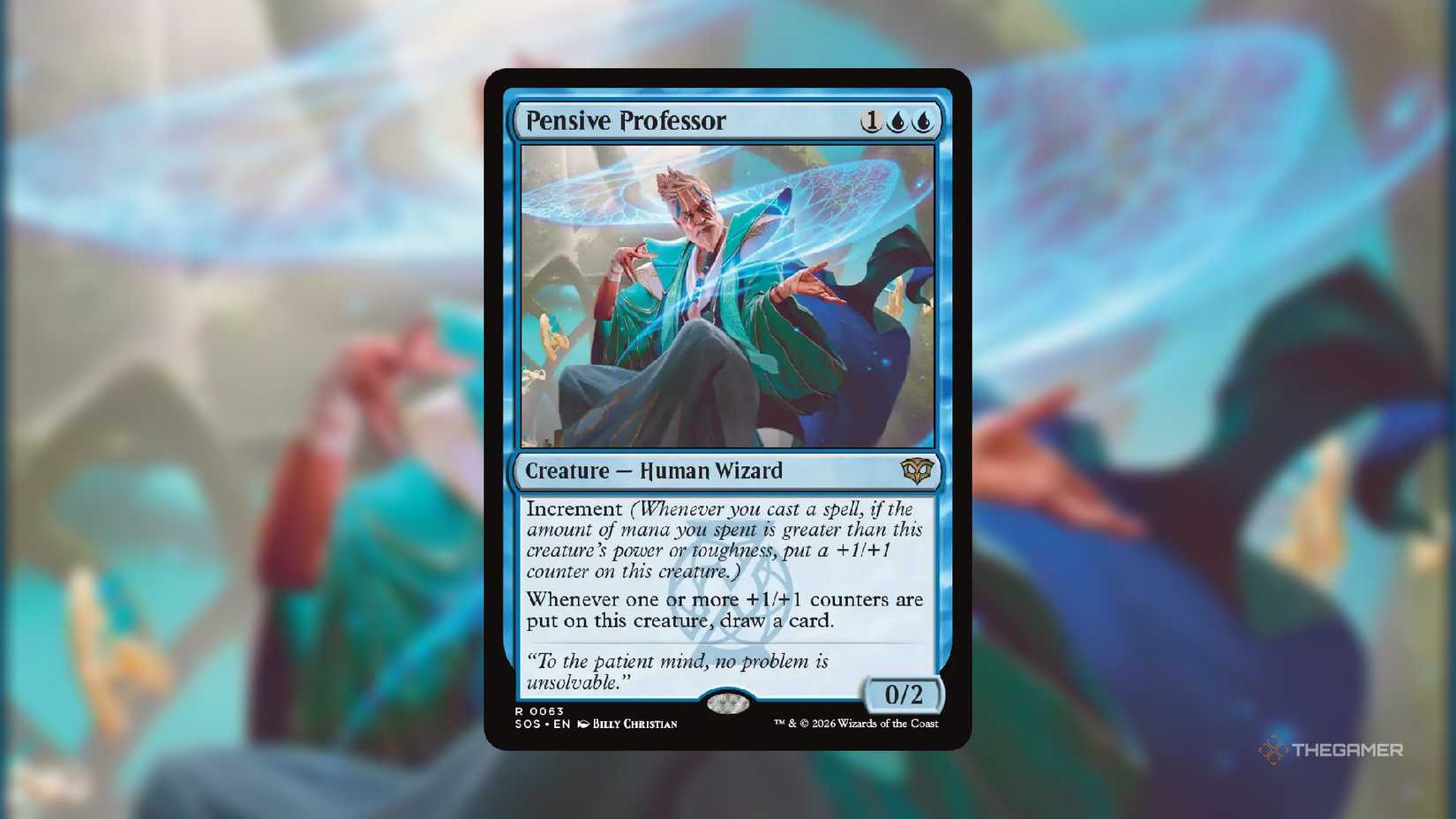
Increment is the Quandrix mechanic in this set, so you’re going to want to look for cards that feature the keyword to build this deck around. It activates whenever you cast a spell, and the mana cost is higher than the power of a creature with the Increment keyword on it.
On top of this, you still want to stick to what Quandrix does best, which is +1/+1 counters and X-cost spells. Take them wherever possible, and provided the draft gods play nice, you’ll be able to throw together a really capable deck based around these three features.
Many creatures with Increment start with zero or generally low power, so if you can grab a few low-cost creatures with high toughness to throw onto the battlefield early in a game, they make excellent blockers until you can get your +1/+1 counter game rolling.
Quandrix spells can be quite expensive, especially if you’re looking to make the most of X-cost cards, so you may want to consider an extra land or two in your draft deck to ensure you’re always hitting your drops.
Flashback Excavation
Lorehold
Flashback is far from a new mechanic in Magic: The Gathering, but it’s returning to the red and white Lorehold College in Secrets of Strixhaven. It allows you to cast a spell from your graveyard, typically for an increased cost.
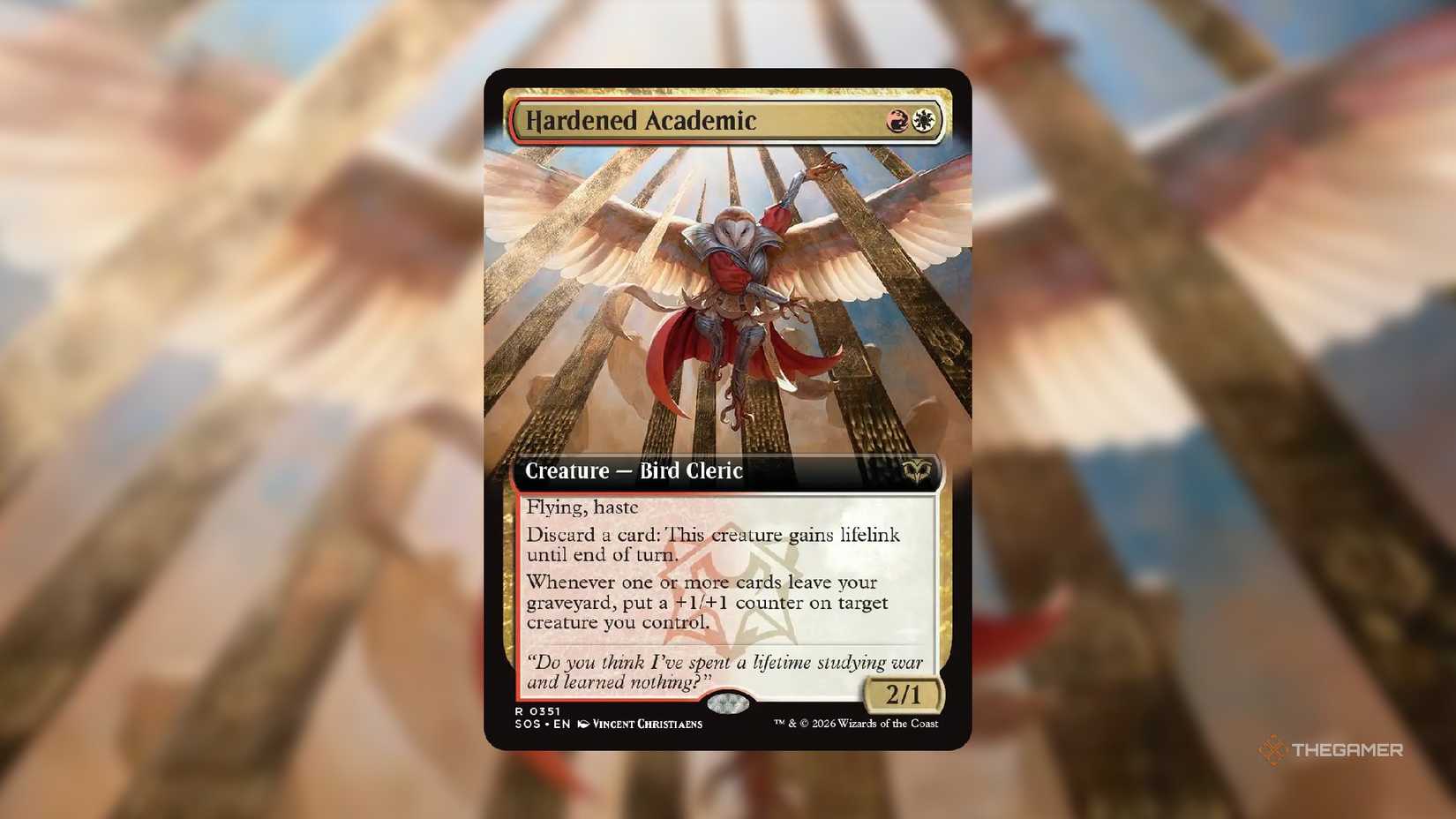
Given that Lorehold is quite an aggressive build anyway, Flashback only adds to this, letting you double up on spells it is printed on. When drafting around Flashback, you also want to be on the lookout for creatures with abilities tied to other cards leaving your graveyard. Hardened Academic is a great example of this, as it gains a +1/+1 counter any time a card leaves your graveyard.
The only issue with drafting around Flashback in sealed formats is the increased second-time casting cost, which can be extremely high in some cases. I wouldn’t recommend adjusting your land count for this, but just be wary that it’s an expensive mechanic to play around with.
Opus Spellcasting
Prismari
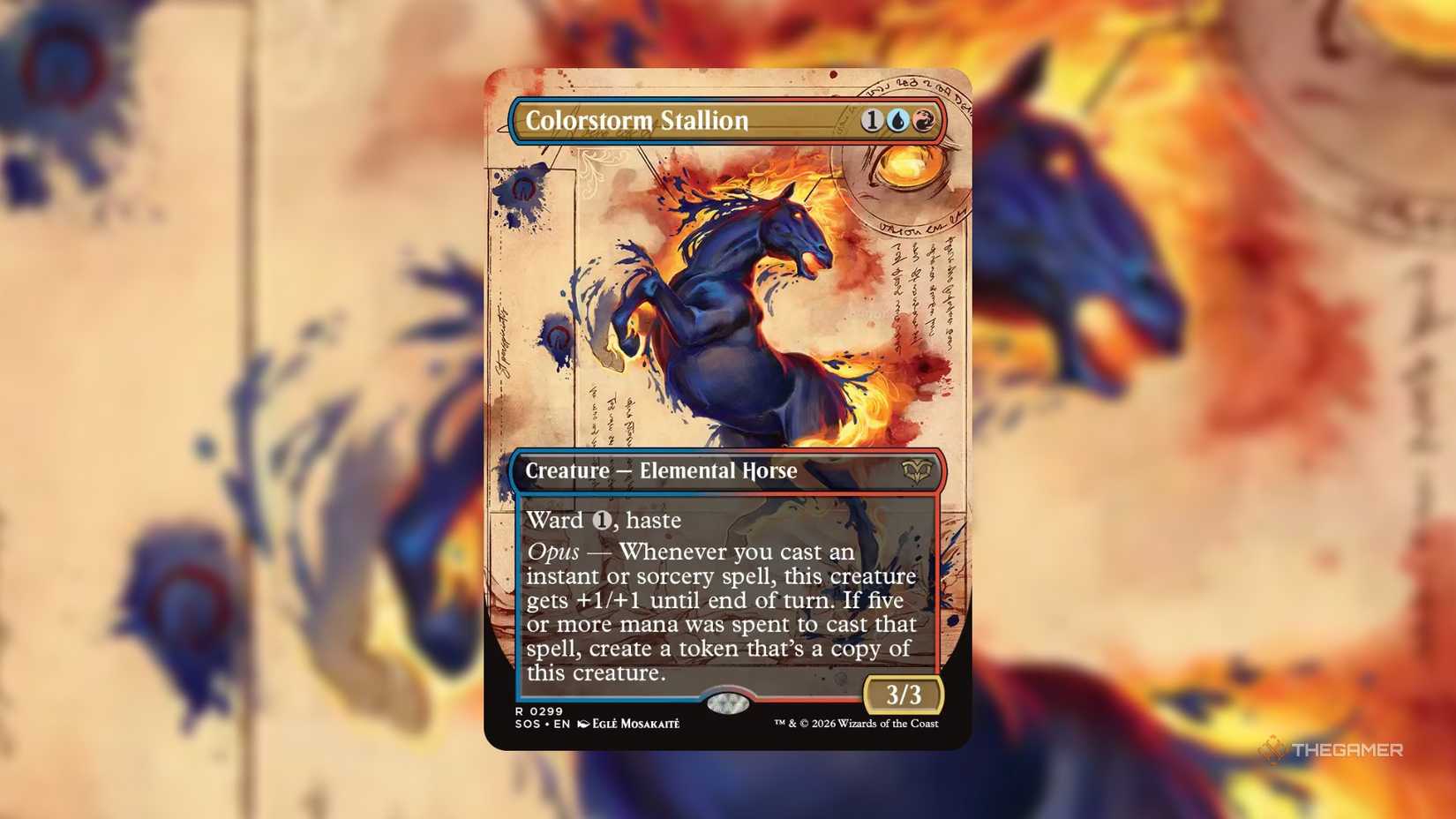
In the least shocking revelation of the day, the Prismari draft archetype is all about slinging spells.
This archetype challenges you to pack a deck full of instant and sorcery cards and synergize it with a few select creatures that all feature the exclusive Opus mechanic.
This is because each time you cast an instant or sorcery while an Opus card is on the battlefield, you’ll trigger stage one of their ability, which is different on each card.
If the spell in question costs five mana or more, you also activate a second tier of the ability. A great example of this is Expressive Firedancer, which gains a +1/+1 counter until the end of the turn whenever you cast an instant or sorcery spell. If the five mana threshold is met, it also gains double strike.
Building around this mechanic should be fairly simple, but we can see Prismari being the most sought-after draft archetype in the set, given how effective it can be across all stages of a game.
Lifegain Swarm
Witherbloom

Finally, we have Witherbloom and the lifegain swarm build, which essentially tasks you with building up armies of pests to sacrifice either to gain life or trigger the abilities of other green and black creatures.
Infusion is the exclusive mechanic for this Strixhaven College, and it activates so long as you have gained any life in a turn, even if you’ve then lost it.
You’ll need to track when Infusion kicks in, as for creatures, it will be stated on the card (although most we’ve seen so far say end step), but in the case of instant or sorcery spells, it typically checks at the time that you cast the card whether life has been gained or not.
You’ll want to draft plenty of creatures and spells with Infusion as a mechanic, but be sure to have a way to generate plenty of pest tokens, too. There’s no shortage of ways to do this in a Witherbloom deck, but in sealed formats where your deck is considerably smaller, it can be tricky to get the balance right.
If you get your pest tokens on the battlefield, they can chip away at your opponent’s health until you’re ready to sacrifice them to activate other abilities.

Magic: The Gathering – Secrets Of Strixhaven Commander Deck Guide
The mystical colleges of Magic: The Gathering return in five new Commander decks, each with its own unique play style and stylish leader.