

It’s award season, and Clair Obscur: Expedition 33 appears to be the darling of every jury in the gaming industry. After sweeping the Golden Joysticks, Expedition 33 went on to become the most nominated game in The Game Awards history. If I were a betting man, I’d predict that tonight’s event will be another sweep for Sandfall’s RPG.
We’ve always known that Sandfall is a small team; approximately 30 full-time developers. However, in a recent interview with The New York Times, we learned just how tight the budget for Expedition 33 was.
Shoestring Budget
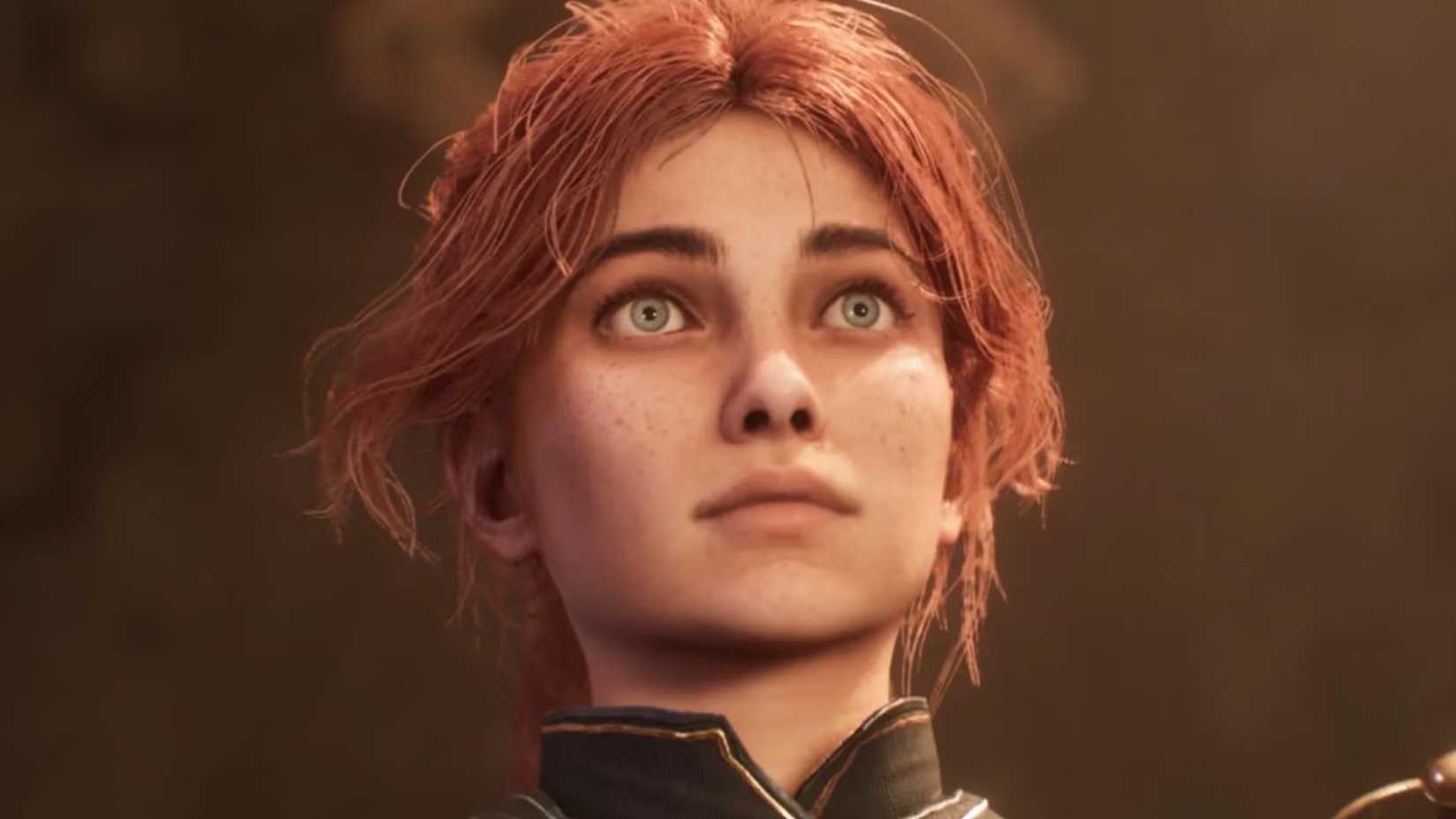
Sandfall revealed to the Times that Clair Obscur: Expedition cost less than $10 million to create. By modern triple-A standards, that’s a pittance. As the article points out, Marvel’s Spider-Man 2 cost $300 million to create, a production cost that prevented Insomniac from making substantial profit on the game.
Call of Duty: Black Ops Cold War had a budget of $700 million. Apparently, you could have made 70 Clair Obscur: Expedition 33’s for the price of one Call of Duty: Black Ops Cold War.

“I’m Sure Mirror’s Edge And Vanquish Cost More”: Clair Obscur: Expedition 33’s Team Gives Indication On Size Of Game’s Development Budget
“I would say that I’ve seen a lot of budget estimations that are all higher than the real budget.”
One of the ways Sandfall minimised costs was by not committing to a fully realised open world. In true JRPG fashion, the studio created a miniature version of the world map to create a sense of exploration without having to detail out massive environments.
“We have the tech now to make those games with a relatively small team,” Broche said. “Games like this are coming. We are lucky to be early.”
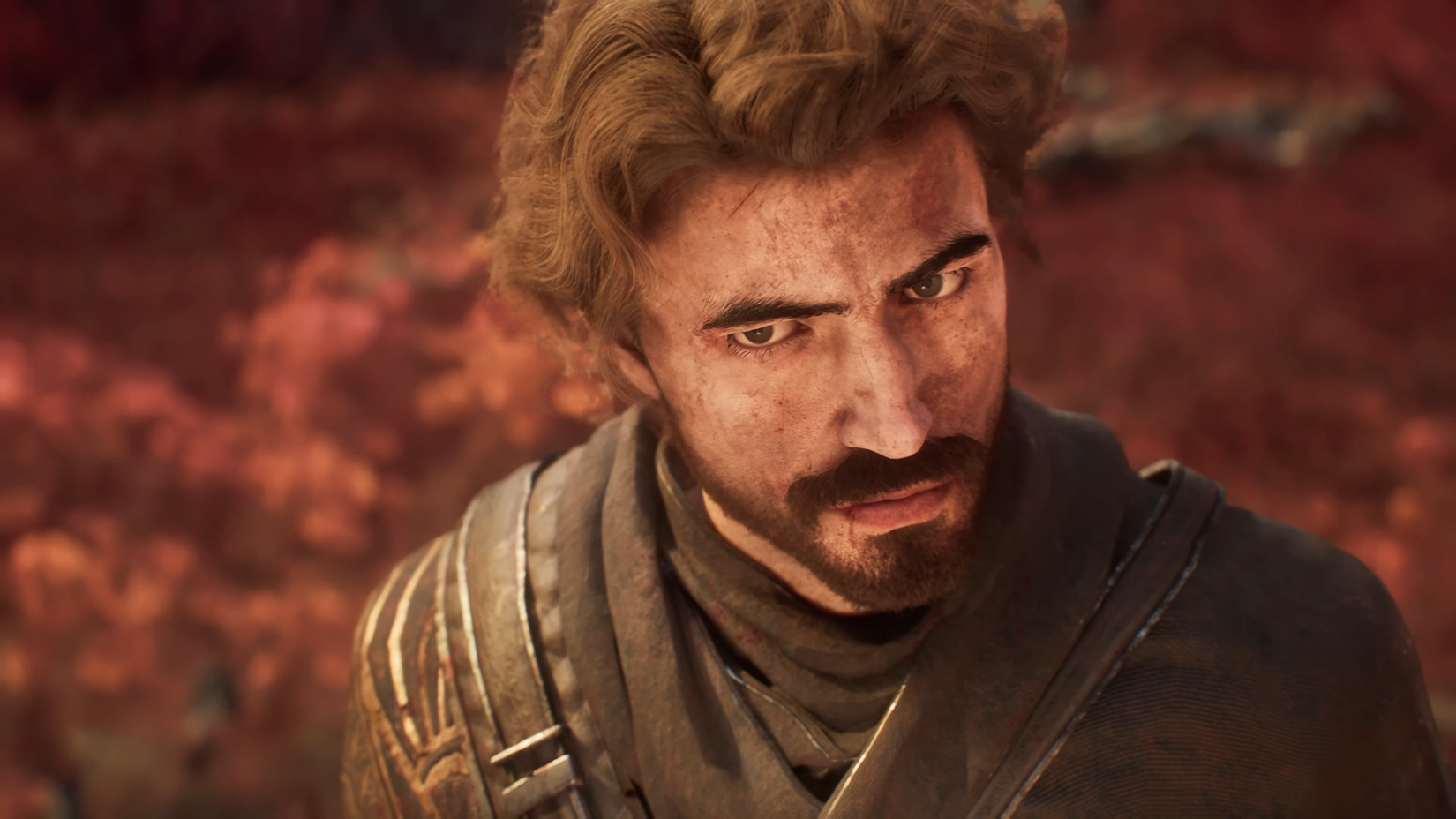
The success of Clair Obscur: Expedition 33 could be a shift for the gaming industry. The size of development teams, project scope and release timelines have all become massive. This has resulted in very long fallow periods between releases, as studios try to push boundaries with every release.
Sandfall created one of the most successful games of the year with a small budget and a medium-to-small team of developers. The cost-cutting measures offered by increasingly wieldy game engines could spark a renaissance for so-called ‘double-A’ developers; medium-sized teams making games that are distinctly un-indie but equally aren’t massive sprawling projects.

Clair Obscur: Expedition 33
- Released
-
April 24, 2025
- ESRB
-
Mature 17+ / Blood and Gore, Strong Language, Suggestive Themes, Violence
- Developer(s)
-
Sandfall Interactive
- Publisher(s)
-
Kepler Interactive