

Nobody likes generative AI in their video games. But, if the evil AI in a game was to create an artificial world, would it still be considered AI slop? I’ll let you be the judge of that after you’ve played Pragmata. In Capcom’s upcoming game, the evil AI generates its own version of New York, filled with typical gen-AI errors. However, it’s all completely made by real devs.
While there’s no lack of gen-AI art these days, Pragmata producer Naoto Oyama revealed that it’s pretty hard creating what a world created by an evil AI looks like. In a conversation with 4Gamer (via Automaton), the producer revealed that the devs had to pay attention to “setting errors” to make sure the AI-generated world feels odd.
Humans Are Better At AI Slop Than AI

Speaking about the AI-generated New York in the game, Oyama said, “It mirrors reality, but its unique appeal comes from the setting errors and how they feel out of place, such as taxis sinking into floors, or buses sprouting from walls. Although the premise is that it is generated by AI, actually, our human developers painstakingly worked to incorporate mechanisms that express this AI-like uncanny feel.”
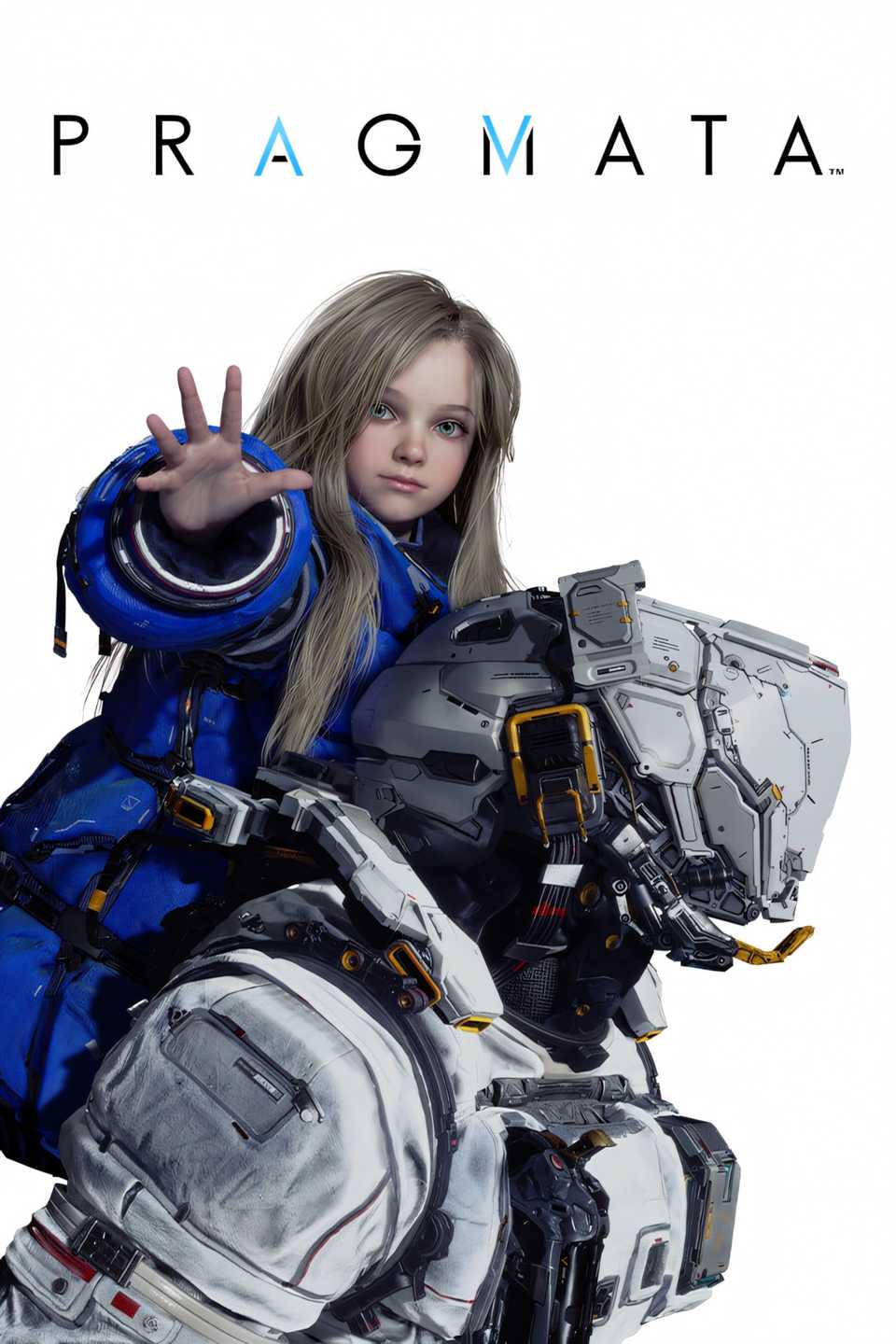
The game’s protagonist, Hugh, finds himself on a lunar base taken over by an evil AI. Along with his android companion Diana, he finds himself in a generated version of New York at some point in the game. However, instead of a seamless simulation, the developers wanted a version that looks slightly off.
“For Pragmata, we set the premise as ‘a fake New York generated by AI,'” added director Cho Yonghee. “When familiar locations appear, players can relate more easily. On top of that, to make it clear that this isn’t the real New York, we wanted something slightly distorted.” This was achieved by ensuring that it had typical gen-AI errors. However, they had to make sure nte to overdo it too.
“Distortion is when something takes a shape that people have never seen before, and things unseen before are considered unique,” explained Cho. “But if the shapes are too unusual, players might think they’re related to puzzles or that the terrain has some hidden meaning. Balancing distortion to be both unique and merely background was difficult.”
- Released
-
April 17, 2026
- ESRB
-
Teen / Language, Violence, In-Game Purchases