

During my university years, I completed a work placement at a technology publication in London. The first thing they did on my first day was plonk an Oculus Rift in my lap. The headset had yet to be released, and here I was being asked to cover it as a student with a lifelong love for video games.
At the time, it felt like virtual reality was still an exciting new technology that the industry was trying desperately to wrap its head around. Was it going to be the future of gaming, or just a flash in the pan novelty that would eventually fade away? The truth, it turns out, was in the middle of those two definitions.
Now, almost a decade has passed, and virtual reality games are still being developed all over the world, while applications outside video games or with more social purposes have long proven more popular than the blockbusters we once thought would change everything.
But with a lack of support from major companies like Meta and Sony, alongside all-in-one offerings like the Quest 3 failing to attract mainstream audiences, it feels more and more like VR is on the way out. Widespread layoffs earlier this week were the final nail in the coffin.
Virtual Reality Was Never Going To Take Over The World
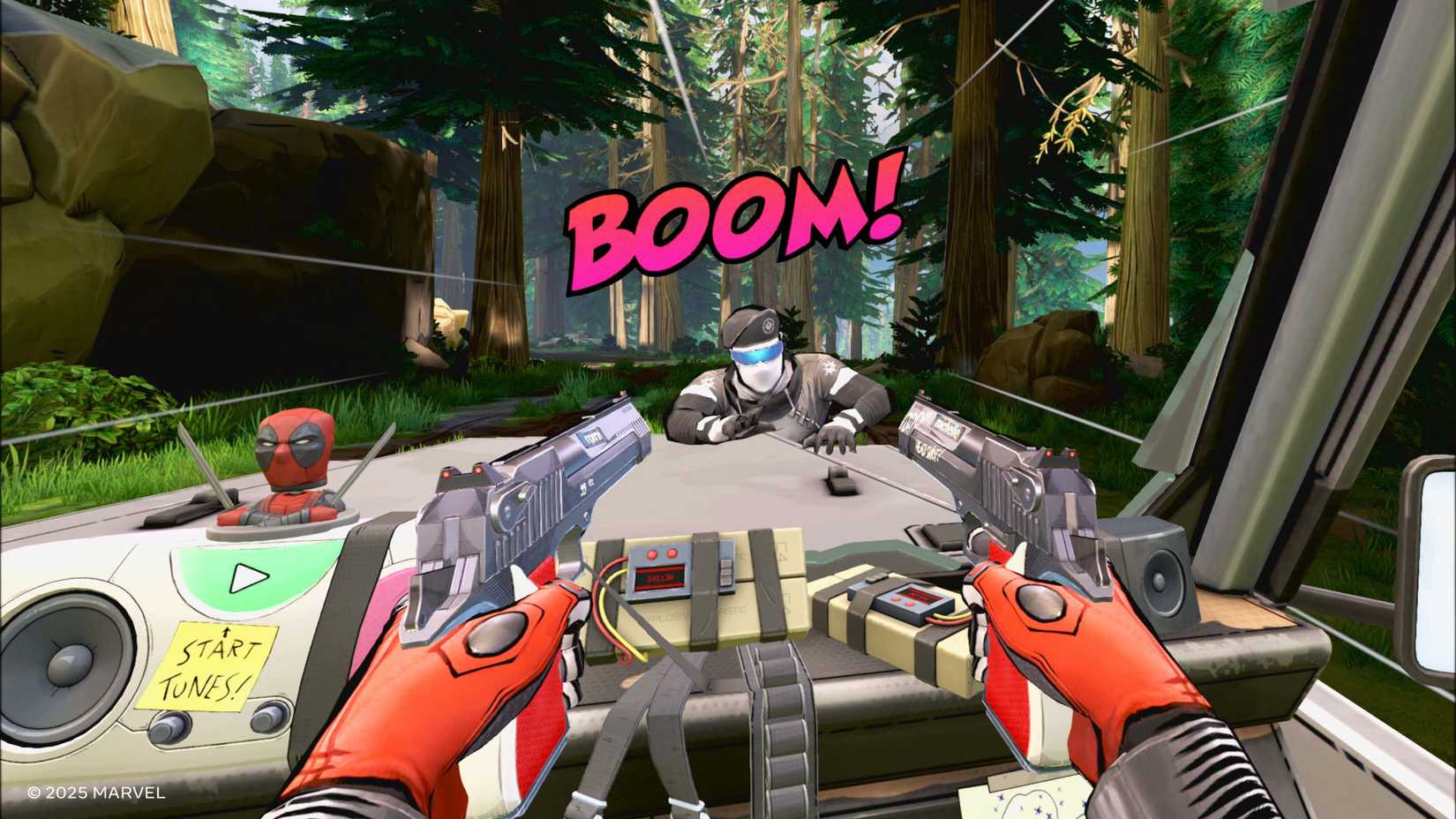
Late last year, I reviewed Deadpool VR from Twisted Pixel, the flagship title for Meta Quest 3 that quarter. It had a massive presence at Gamescom that year too, as the booth was covered in bespoke art of the beloved antihero as dozens of journalists tried out the same demo. It felt then like this game was confident in critical and commercial success. But earlier this week, the studio behind it was closed by Meta.
Triple-A virtual reality titles like this cost too much, and there simply aren’t enough active users on the market to justify their existence. And yet, companies like Meta keep bringing them to life in spite of everything. I’ve always been supportive of these experiences, since new mediums in pursuit of innovation need to take chances, even if it means losing money and spending years of research and development redefining conventions in a new space.
Valve could have lost money on the development of Half-Life Alyx, but as a consequence, it pushed virtual reality forward while redefining what it meant to tell a triple-A story within the headset. It’s a masterpiece, and there are similar examples in virtual reality that, while they never set the world on fire, their worth to the medium is undeniable.
Valve has another VR headset set to release at some point this year, but it seems to be aware of the fact that its audience doesn’t only use them to play games, but as an extension of experiences they already enjoy. That is the future of virtual reality, especially now that Meta has closed three studios it once bought with the promise of changing this medium forever.
Hundreds of great people are now without work following these studio closures. It’s rough out there right now, so here’s hoping they can land on their feet.
Armature (Resident Evil 4) and Sanzaru (Asgard’s Wrath 2) were also closed earlier this week, with Meta downsizing its Reality Labs division as it shifted more of this investment towards its Wearables. That part of the business, I presume, has more potential for profit now that the company’s ambitions for the Metaverse haven’t borne fruit. It sucks that Meta bought up the three ambitious studios, promised them the world, and then closed them all several years later, but it’s also hardly surprising.

The eventual demise of mainstream virtual reality seemed obvious when the PlayStation VR 2 came along with just a single major launch title (Horizon: Call of the Mountain) and very few future ones confirmed by Sony at the time. Despite the original headset selling millions of units and proving that there was a way to enjoy and push boundaries within virtual reality on consoles, nobody involved with its successor seemed to care.
Alongside Call of the Mountain, only Firewall Ultra and The Dark Pictures: Switchback have arrived as first-party exclusives for the headset, with Sony seemingly happy waiting for the headset to die of its own accord before drastically cutting prices to shift all its remaining stock. Considering how good PSVR 2 is in terms of its headset, controllers, and a laundry list of features you can’t find anywhere else, it sucks that nobody ever tried taking full advantage of it. Missed potential and millions of dollars wasted on development for nothing.

You can pick up a PC adapter for the PSVR 2 to make it work on PC, which gives it a new lease of life that arguably surpasses a lot of other headsets for the platform.
Over the years, there have been so many headsets and so many games that felt like they could have been a paradigm shift for virtual reality — a way for mainstream audiences to fall in love with a medium that for so long felt overly expensive and prohibitive. Yet even as affordable all-in-one headsets like the Meta Quest 3 came along with triple-A games players can find anywhere else, the interest still wasn’t there.
Virtual reality is going to live on thanks to applications and enthusiasts outside just video games, but it feels like the current era of this technology is preparing to bid us farewell. If a major company like Sony or Meta can’t make it work or doesn’t feel like the space is worthy of continued investment, then there isn’t much else we can do.
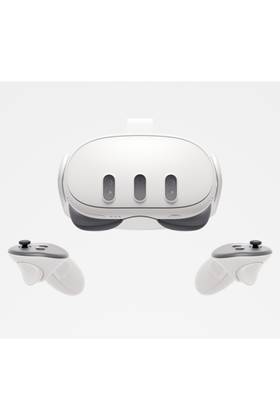
- Brand
-
Meta
- Resolution (per eye)
-
2064×2208
- Display Type
-
4K+ Infinite Display
- Storage
-
128 GB / 512 GB