

Naughty Dog has been called out for its unhealthy crunch culture a number of times over the years. Its lauded, highly ambitious games like Uncharted 4: A Thief’s End and The Last of Us Part 2 both required development teams consisting of hundreds to work overtime to reach the finish line. While high-profile delays and inconsistent production timelines meant that once the end was finally in sight, the goalposts were moved and people were simply asked to deal with it.
All of these games pushed the medium forward with prestige narratives, lifelike characters, and visuals that pushed the boundaries of realism; but all of these groundbreaking things came at an undeniable human cost. Developers who burnt themselves out and lost love for the craft, were kept from their families for months at a time, and prayed they would have sufficient time to make this game the best it could possibly be.
Millions of copies sold and critical acclaim aside, enough former developers and journalists called out these practices that something had to be done. The pandemic, relentless layoffs, and the general state of an everchanging industry meant that Naughty Dog had an incentive to change its culture for the better. And for a couple of years, it felt like the studio had started learning from past mistakes.
Intergalactic: The Heretic Prophet Was Never Going To Be Immune To Naughty Dog’s Crunch Culture
At the end of ‘Grounded 2: ‘The Making Of The Last Of Us Part 2’ documentary, studio head Neil Druckmann briefly comments on how, following the game’s development, he and senior members of Naughty Dog reflected on how crunch culture had permeated across the studio and become a common characteristic of its projects and the guilt they felt for letting that end up happening in the first place. There is some legitimate empathy being expressed here, and Druckmann even says that the ultimate goal is to eliminate crunch entirely.
I don’t doubt that serious conversations were had, and efforts were made at Naughty Dog to analyse the root causes of crunch, the effects it had, and what could be done to prevent it. I recall that following the completion of TLOU 2, there was a small exodus of creative talent at the studio who decided to move onto new things. Some of these individuals were temporary contractors, while others simply had enough.
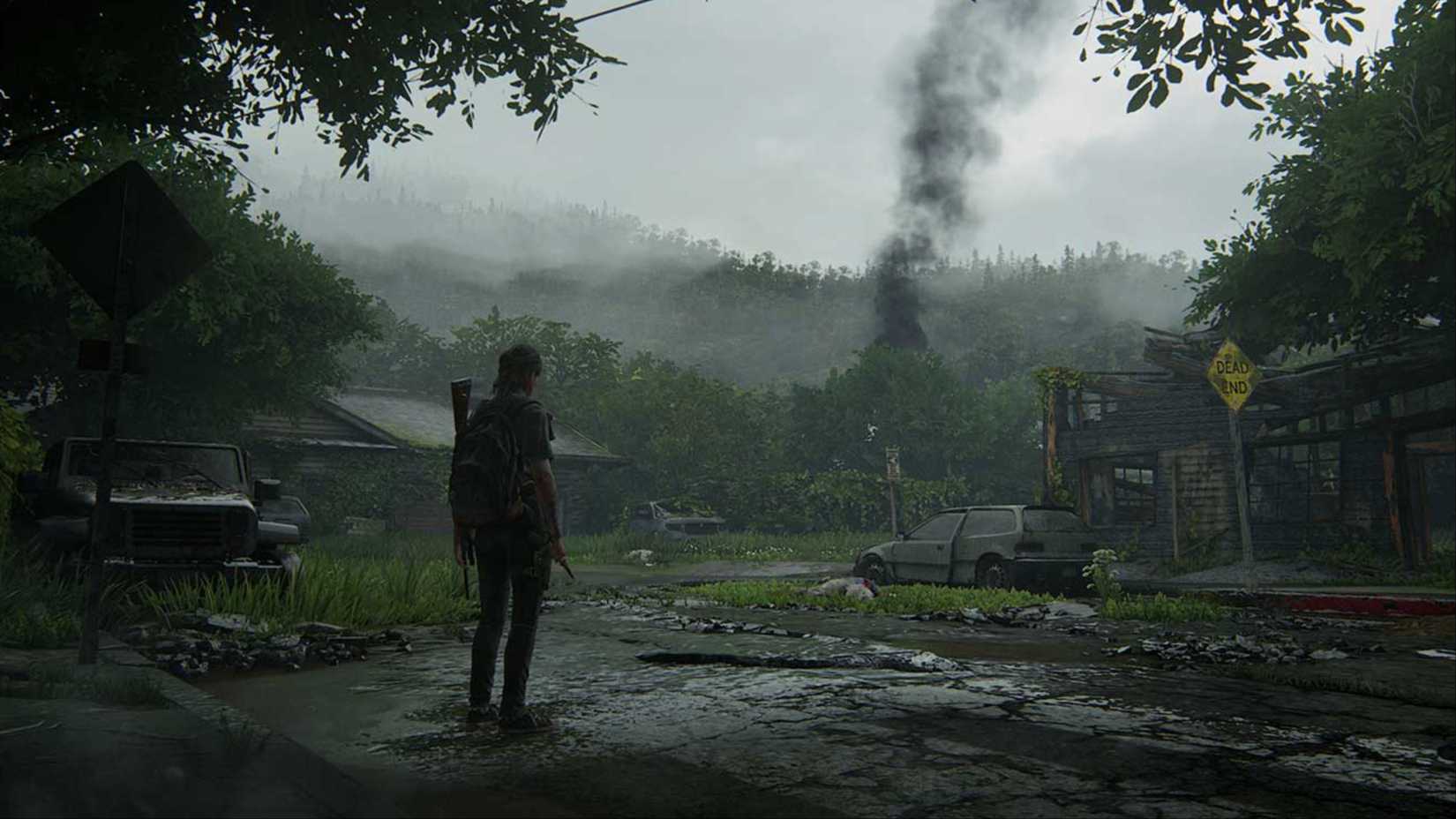
I can’t imagine landing a dream job at a place like this, a developer known for creating some of the best games ever made, only to slowly but surely have life drained from me. That shouldn’t be the reality, but when you’re pushing the envelope as much as Naughty Dog strives to, it feels impossible to avoid.
Intergalatic: The Heretic Prophet has already been described by Druckmann as the biggest and most ambitious game that Naughty Dog has ever made, with it planning to incorporate vast environments to explore alongside the detailed characters and narrative Naughty Dog has become renowned for.
Gamers are going to expect something on par with The Last of Us Part 2, which was a relatively linear experience in the grand scheme of things. I cannot imagine the amount of work that will go into expanding this formula into a more open world idea, but with the same amount of detail.
No Game Is Worth Ruining Human Lives For, Even Naughty Dog

Turns out that trying to deliver on this inevitably results in crunch, with a new report from Bloomberg claiming that employees at Naughty Dog are already working 60 hour weeks ahead of preparing an internal demo for the game. With its release date slated for 2027, according to the same report, people are worried that this level of work will either end up becoming the norm or act as a prelude to something much worse. Back in October, the development team was asked to work an additional eight hours per week, with this time being logged within an internal spreadsheet, which I assume is related to compensation.
These extra hours are apparently being implemented to get production back on track after the project missed several internal deadlines and prepared the aforementioned demo. It seems that work hours will return to normal by the end of January, as will the studio’s normal hybrid environment, although only time will tell whether or not this rings true. Naughty Dog is known for perfection, and the only solution for preventing crunch culture is accepting that it’s at all willing to let that quality bar slip if it means taking better care of its employees.

The Last of Us Part 2 was filled with intimately crafted details like particles of ice that broke beneath the feet of characters and animals, the most realistic rope physics in gaming, and so many things both mechanically and visually, which helped to make it feel alive. I want to see this same level of craft with Intergalactic as a player, but not if it destroys the people behind it. Sacrifices often need to be made in pursuit of excellent art, but leaders at positions like Naughty Dog should also be attentive enough to realise when their teams are being pushed beyond their limits or burnout looms ominously on the horizon.
Decades ago, it seemed like crunch was simply an accepted facet of game development, and when you reached a certain point in a project, everyone needed to buckle down and get stuff done. But that was back then even triple-A experiences only took a couple of years to make. Now something like Intergalatic: The Heretic Prophet can take half a decade at minimum. It also requires more resources, time, skill, and nuance across the process if you want to once again push the medium forward. In this work environment, you need to pace things right, or you risk sending an entire team into oblivion with few means of escape. This is precisely how major delays and brutal periods of crunch happen so frequently.
The Grounded documentary features several senior figures at the studio touching on crunch culture with genuine empathy, and I don’t doubt they tried to introduce processes to prevent what happened on previous projects from surfacing again, but somehow, that is exactly what seems to be happening. You can’t combat crunch culture if the studio keeps on making games in the exact same way with the exact same expectations. Something has to give.
I don’t doubt that Intergalactic is going to be an incredible game when it finally arrives in a couple of years, but I don’t want it to be the product of an outdated crunch culture, which is destined to facilitate burnout and destroy human lives. No game is worth such a cost, even PlayStation exclusives like this often promise the world and overdeliver. If Naughty Dog truly did try and fail to tackle crunch only to surrender to its intense embrace yet again, it has to take a good, hard look at itself and ask whether video games are worth this hefty price.